Research
Long before Dr. Allen was seeing families in a clinical setting, she was asking research questions about what actually helps children in schools and at home


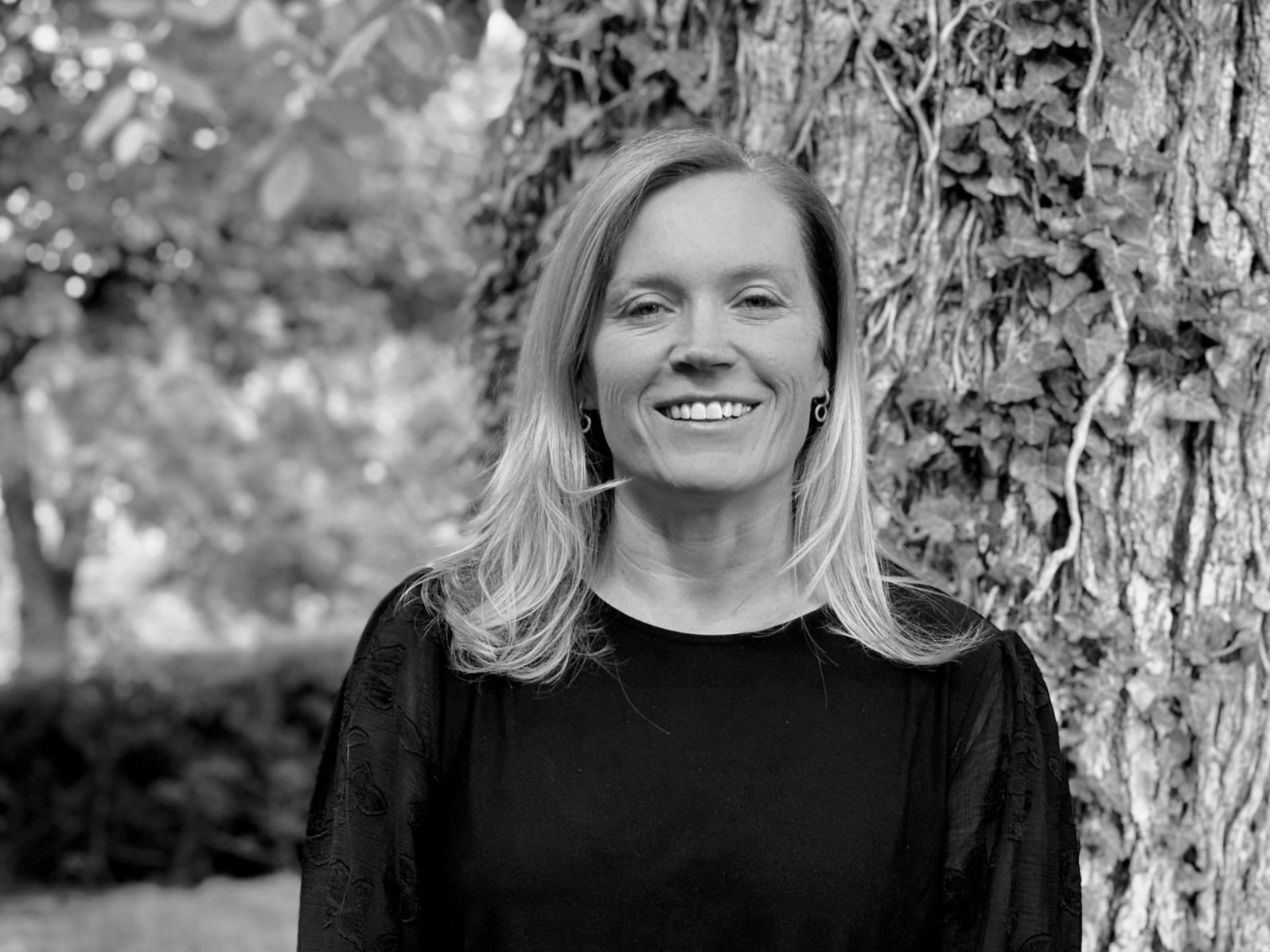
Long before Dr. Allen was seeing families in a clinical setting, she was asking research questions about what actually helps children in schools and at home, and that habit of mind never really left. Her research background spans school-based intervention, crisis response, and treatment of behavioral concerns in children with autism spectrum disorder, and it continues to shape how she approaches evaluation and treatment today. Rather than a separate credential to list, it’s part of the same discipline that goes into interpreting a case and writing a recommendation families can actually use.
This orientation matters especially in pediatric behavioral health, where families are often presented with a wide range of suggested interventions that vary significantly in scientific support. Telling apart an approach that is truly well-supported from one that is simply persuasive in presentation is not always obvious, and a research background helps sharpen that distinction in day-to-day clinical decisions.
Over more than two decades, Dr. Allen’s research has moved from large, federally funded school violence prevention initiatives early in her career, through community-based behavioral health projects, to more recent clinical trial work evaluating parent-training interventions for children with autism spectrum disorder. That range reflects a career spent working at the intersection of schools, families, and clinical treatment, instead of in a single, narrow research lane, and it helps explain why she is comfortable addressing referral questions that span academic, behavioral, and emotional concerns simultaneously.
Clinical Trials
- Double Blind, Placebo-Controlled, Randomized Withdrawal Study of the Safety and Efficacy of Memantine in Pediatric Patients with Autism, Asperger’s Disorder, or Pervasive Developmental Disorder Not Otherwise Specified (PDD-NOS) Previously Treated with Memantine. 2012–2013.
- Open-Label Extension of the Safety and Tolerability of Memantine in Pediatric Patients with Autism, Asperger’s Disorder, or Pervasive Developmental Disorder Not Otherwise Specified (PDD-NOS). 2012–2014.
Alongside this funded work, Dr. Allen served as a lead investigator on a randomized controlled trial evaluating Parent-Child Interaction Therapy for children with autism spectrum disorder and disruptive behavior, published in the Journal of Autism and Developmental Disorders, and contributed to the development and evaluation of the Virginia Student Threat Assessment Guidelines, now used in school systems well beyond the state where the research began. Across this body of work, the consistent thread has been the same one that guides clinical care today: taking an evidence-based approach and making it something the parents, teachers, and clinicians who support a child day to day can actually use.
Areas of Research Interest
Parent-Child Interaction Therapy (PCIT) for children with autism spectrum disorder and disruptive behavior
Cognitive and rational emotive behavior therapy approaches to children's anger management
School-based crisis management and emergency response training for educators
Parent-Child Interaction Therapy (PCIT) for children with autism spectrum disorder and disruptive behavior
Threat assessment guidelines and their application in K-12 schools
Character education and school-wide prevention programming
Translating behavioral research into everyday classroom and family practice
Parent coaching and family guidance
Research training shapes how Dr. Allen evaluates new interventions before recommending them to a family. Rather than adopting a strategy because it is popular in parenting media or discussed frequently among other clinicians, she looks for outcome data specific to the population and concern at hand. This is especially relevant for approaches like PCIT and SPACE, both of which have a strong base of randomized controlled trial evidence, and it is a big reason they are offered as primary treatment options instead of one choice among many equally-weighted alternatives.
From Research Into Practice
Previous Funded Research, Training Grants & Contracts
- Allen, K. (Principal Investigator). “Program PASS: Promoting Academic Student Success.” Colorado Department of Education. $7,500. December 2021–June 2022.
- Harrington, J. (Co-Principal Investigator, with Allen, K.). “Treating Behavioral Disorders among Children Diagnosed with Autism Spectrum Disorder.” Commonwealth Health Research Board. $200,000. July 2010–June 2013.
- Allen, K. (Principal Investigator, subcontract). “Character First.” U.S. Department of Education. Grant No. Q215S060117. $708,232. July 2006–June 2011.
- Allen, K. (Principal Investigator). “Helping Chesapeake Alternative School Students Succeed.” Governor’s Office of Substance Abuse Prevention. $31,500. July 2010–June 2011.
- Allen, K. (Principal Investigator). “Second Step to Success in an Alternative Education Setting.” Governor’s Office of Substance Abuse Prevention. $46,000. July 2009–June 2010.
- Allen, K. (Principal Investigator, subcontract). “School Action for Emergencies.” U.S. Department of Education. $118,365. September 2007–March 2009.
- Allen, K. (Principal Investigator). Society for School Psychology Research. $12,000. September 2006–August 2008.
- Sugars, S. (Principal Investigator, Allen, K. as Evaluator). “Alcohol Free Teens.” U.S. Department of Education. Grant No. Q184A050258. $36,000. August 2005–July 2008.
- Allen, K. (Principal Investigator, subcontract). “School Action for Emergencies (Program SAFE II).” U.S. Department of Education. Grant No. Q184E050159. $135,435. September 2005–October 2007.
- Allen, K. (Principal Investigator). “Second Step to Success.” Governor’s Office of Substance Abuse Prevention. Grant No. 86871-14-05. $50,000. July 2005–June 2006.
- Allen, K. (Principal Investigator, subcontract). “School Action for Emergencies (Program SAFE).” U.S. Department of Education. Grant No. Q184E040244. $199,000. September 2004–March 2006.

Every family who reaches out is looking for the same thing: a clearer understanding of what is happening, and a sense of what to do next.
Korrie Allen, PsyD, ABSNP
Allen Psychology
Connect with Dr. Allen
Dr. Allen is part of Coherence Neuropsychology and Supports, where she works alongside Jennifer Linton Reesman, PhD, ABPP. While each maintains an independent practice, the two clinicians regularly consult on complex cases, combining their expertise when doing so benefits the individuals and families they serve.